

Drive
Going electric, despite the coalition.

Rain fall from concrete coloured skies
No boy, don't speak now
You just drive
Drive
Drive
Take me through, make me feel alive
Alive
When I ride with you
Songwriter: Bic Runga.
Moving to electric vehicles (EVs) was always a no-brainer, with lower costs for motorists, reduced emissions that damage the air we breathe and contribute to climate change, and less dependence on fossil fuels that will eventually run out and are susceptible to price volatility due to events beyond our control.
It was clear even before the US and Israel plunged the world into an unnecessary, illegal conflict that has caused turmoil in international markets due to the resulting drop in oil supply. Now, it is blindingly obvious that we should encourage people to switch to electric vehicles where possible, freeing up future fuel deliveries for tasks that EVs cannot yet easily handle.
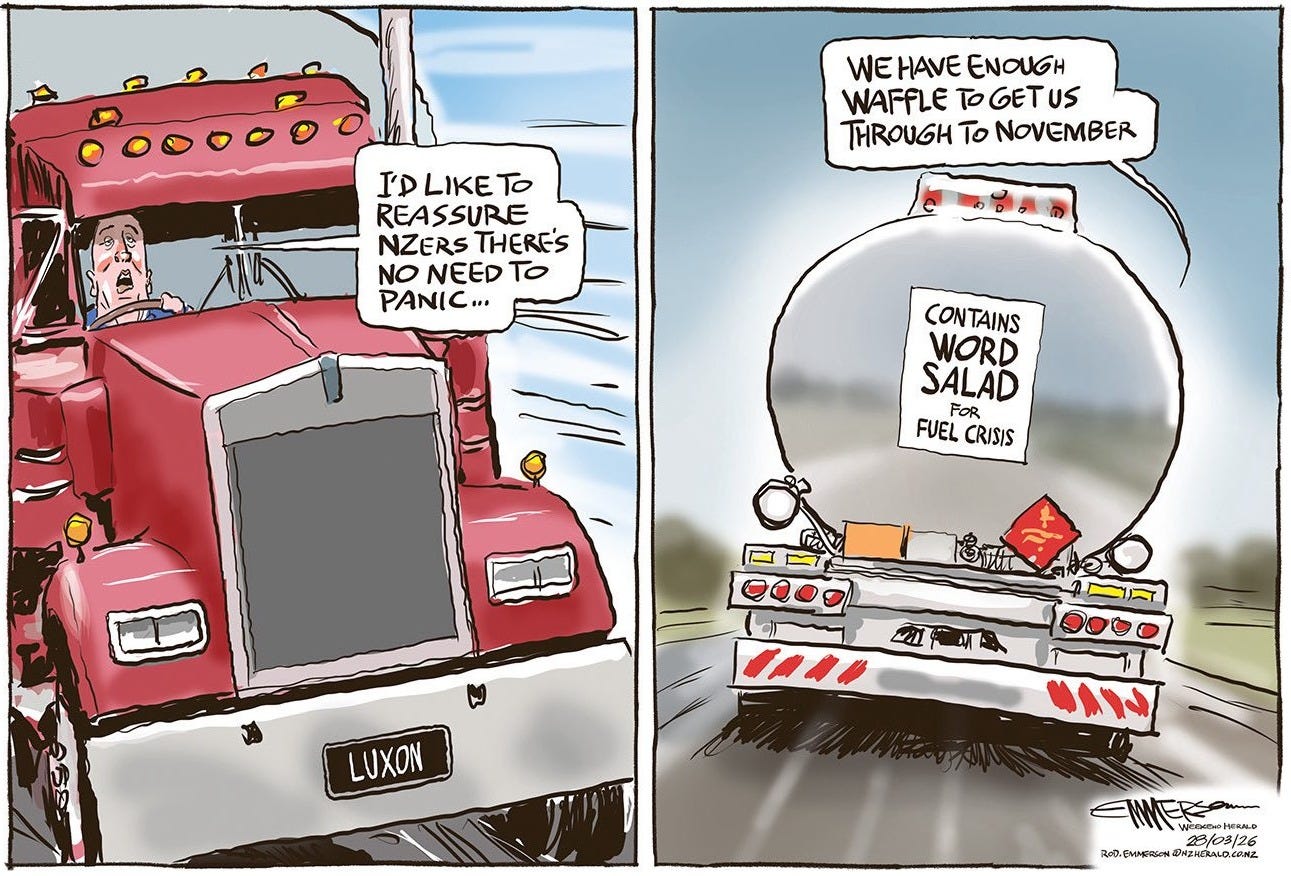
The good news is that while fossil fuels are expensive and, as we’re currently experiencing, out of our control, NZ has a plentiful array of sustainable electricity options with scope to significantly increase production.
While Aotearoa has not been blessed with oil or gas, we have an embarrassment of riches when it comes to generating sustainable electricity. Be it solar, wind, hydro, or geothermal, we have resources that other countries can only dream of, and we’re doing well at lowering our carbon footprint.
This table from a recent study by Energy WorldMag shows the top 10 countries where electricity has the lowest carbon footprint, and we come in at #7:
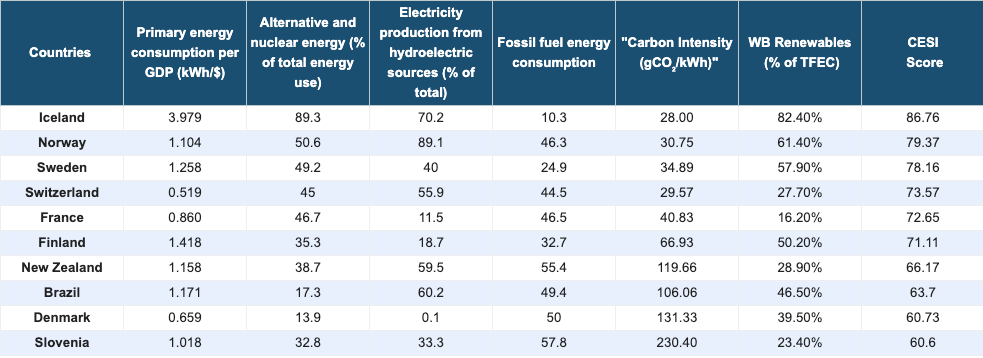
Needless to say, countries like the US and Australia are more reliant on fossil fuels for their energy production, and countries in the Middle East and much of Asia rely heavily on them.
What has our government done?
As you might recall, the previous Labour/Greens government had made a start with initiatives to get people into electric vehicles, but unfortunately, the coalition ran on a platform that declared everything to be woke.
It didn’t matter what it was, from kindness to empathy to considerations of equity and respect, through to cycling lanes and obviously electric cars - it was all too woke, and it all had to go.
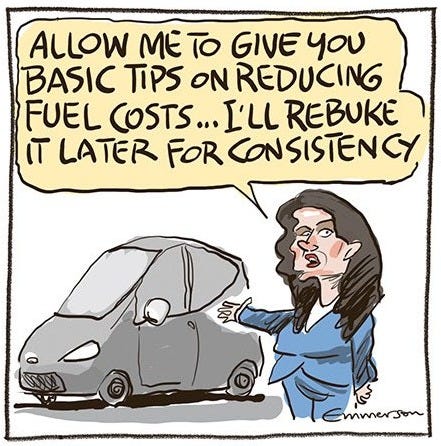
Here's a summary of what the coalition government has done regarding electric cars: essentially removing the incentives to transition, while taking no positive steps to reduce our reliance on fossil fuels. They:
Scrapped the Clean Car Discount, which led to a sharp decline in EV sales from 2024 to 2025.
Introduced Road User Charges (RUC) for EVs. This, they said, would provide a level playing field, but why on earth would a government want to do that when we obviously need to move from petrol power to sustainable electricity?
Changes to the Clean Car Standard: the coalition has weakened the standard and reduced the penalties, making importers less inclined to prioritise cleaner vehicles.
In the graph below, see if you can spot the point when the government scrapped the clean car discount. If you need a clue, think of a cliff:
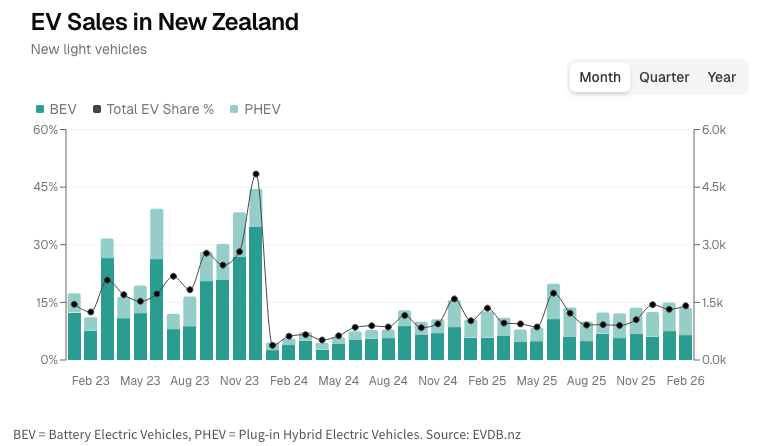
It is mind-boggling that with our demand for fossil fuels and the worsening impacts of climate change, a government would pull the plug, so to speak, on a sustainable, more independent future for New Zealand. But that is what they did.
So what could we be doing?
If you watched Q&A yesterday, you met a man who knows a bit about this and has strong views on what we should be doing to benefit our country and our people—ReWiring Aotearoa CEO Mike Casey. If you didn’t see that interview but would like to, it’s here:
Casey, who has converted much of his own farm to electric machinery, noted that he has been largely insulated by the current crisis and that even a very conservative neighbour had enquired about his electric tractor, asking to borrow it if fuel prices get much higher.
He thinks more Kiwis are seeing that the future of everything is NZ-made energy. Anecdotally, demand for both EVs and solar power has risen significantly since the crisis began.
We have 10 million fossil fuel machines in New Zealand, said Casey. About 800,000 that we can’t electrify, about a million that can move with some support, and more than 8 million vehicles that are good to go now.
Casey said that “as prices rise, people are looking more and more at electrification because it is clearly the answer for their own personal finances.” While also pointing out that some of the people who can’t afford to transition are among those who would benefit most.
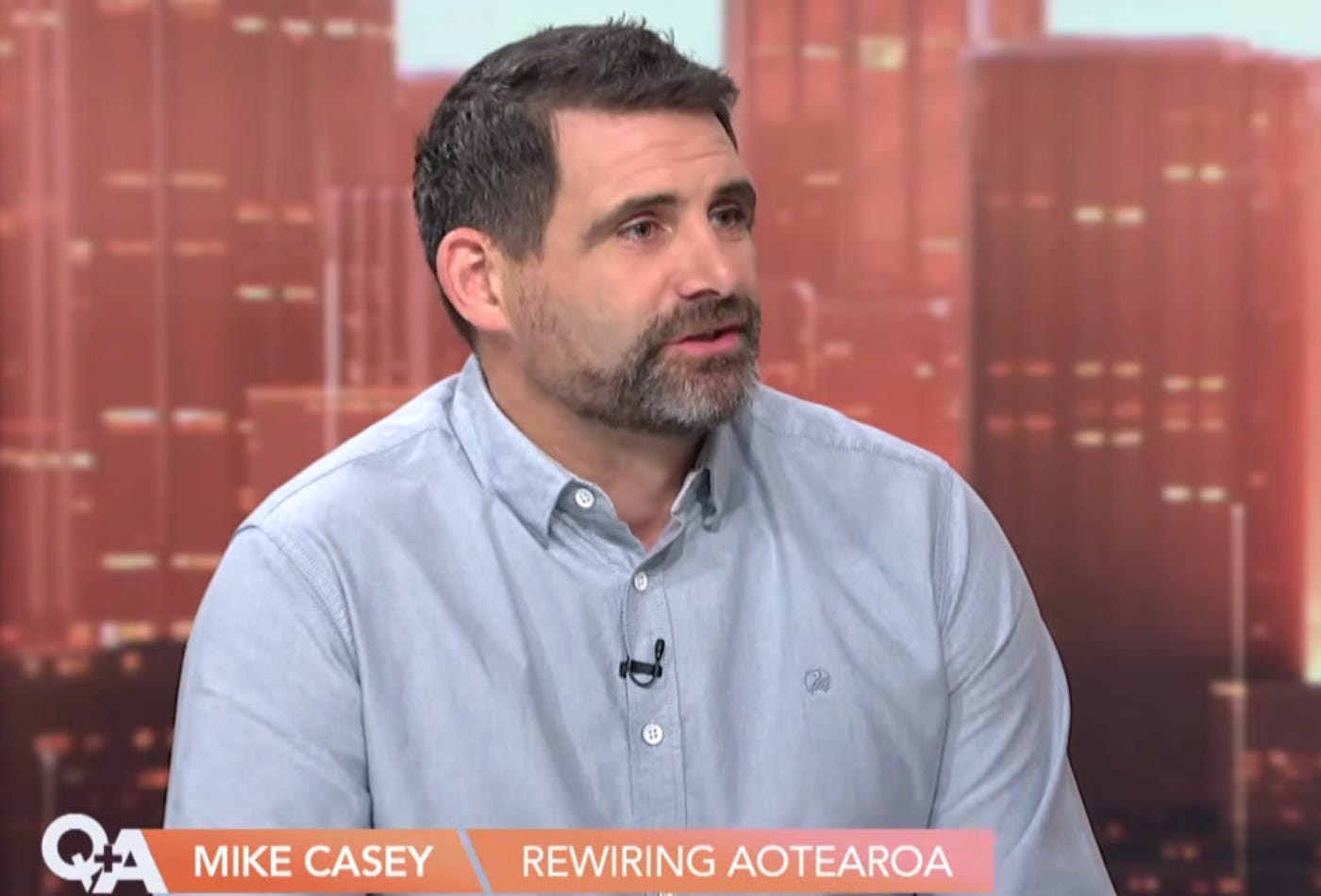
He said we need to make sure all New Zealanders are included so we don’t end up with a wealth divide between those who can invest in an EV and, ideally, solar power to charge it with, and those who can’t.
The goal, Mike said, had to be “New Zealand-made energy, and we just need to focus on making sure that we convert as much of our economy over to electricity as we can.”
He said if the government invested in EVs, for example, by providing them to nurses and teachers, that would boost the second-hand market following a three-year lease period. I thought of the nurse on the news the other night, in despair that she had to visit patients but could not afford the additional fuel costs.
Wouldn’t it be wonderful to see a nurse like that given affordable transport so they can concentrate on patients rather than paying for petrol?
“To electrify all the machines in New Zealand, we're looking at twice as much electricity generation, right? That's going to mean all of the big things. And the last time we had an oil crisis, what did New Zealand do? Think Big, right? But now, with new technology available to customers, it's also all the little things,” said Casey.
The key to affordability, he said, was access to funds for investment, loans that would pay for themselves through the power generated by a home being sufficient to repay capital and interest on what has been borrowed, while still leaving an extra one to two thousand dollars in savings.
How good would it be to see a struggling family receive a payment for extra production instead of a bill that forces them to turn off the heating during winter?
Casey was less than complimentary about the government’s investment in new infrastructure to store LNG, a move that seems more out of touch with reality with each passing week.
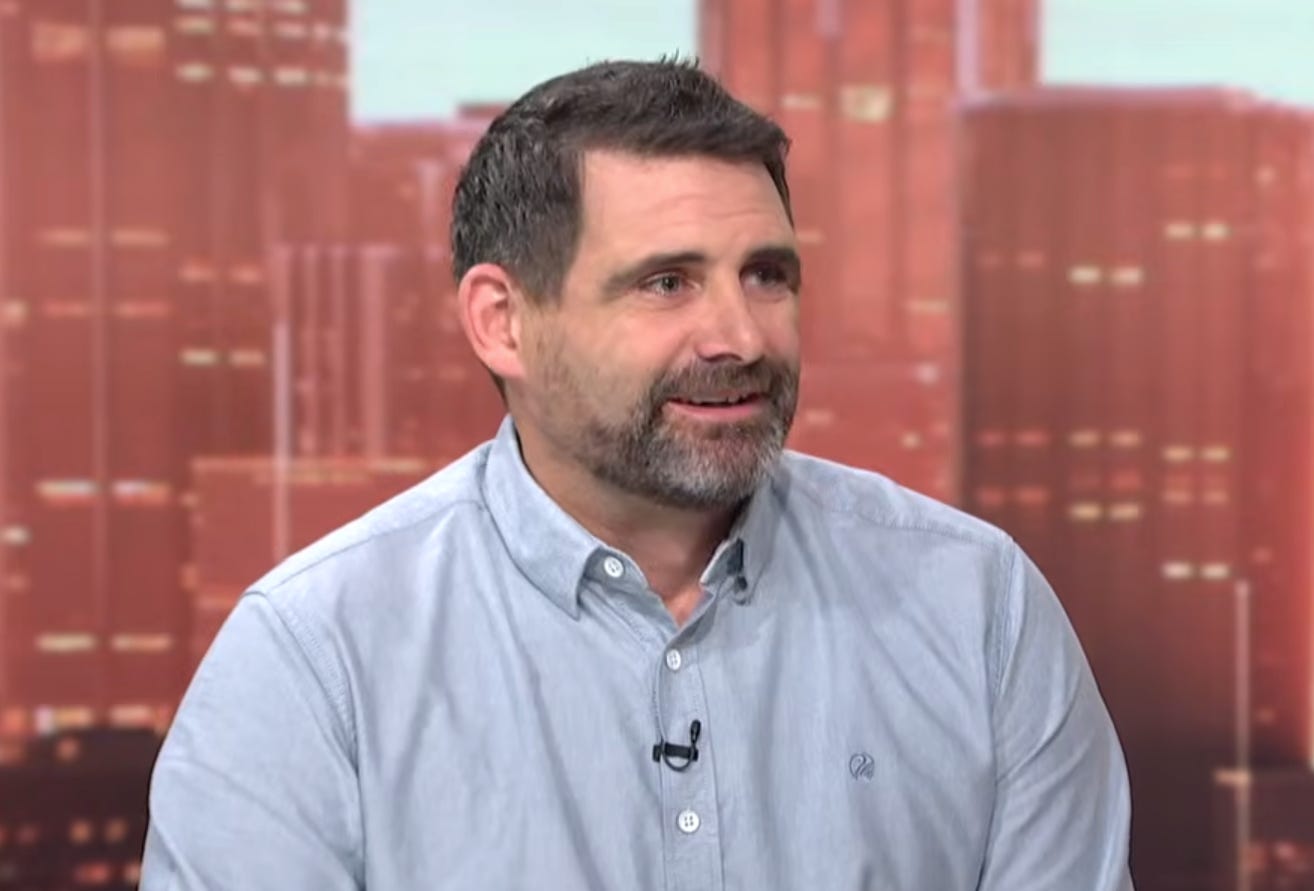
I was impressed by Mike; he was knowledgeable, driven, and had a vision for the future that included all New Zealanders. Pretty much the opposite of the guy we have in charge.
In the latest quarterly update, it was noted that our construction sector was struggling and was the hardest hit. We also have thousands of young people looking for work. Wouldn’t it be great to see them trained and put to work installing solar panels on a mass scale while providing low-interest loans to homeowners?
That’ll provide us with enough power to charge many more subsidised EVs, enabling us to retire gas-guzzling machinery and safeguard ourselves against future supply shortages beyond our control.
Wouldn’t that be better than leaving our young people languishing in unemployment while they wait out the recession?
Today is the last day you can subscribe to Nick’s Kōrero with a 20% discount, so if you want full and uninterrupted access to all my writing, please support me by subscribing today. Thank you. 🙂
Have a good Monday, folks, and take care, all of you lovely people.
Ngā mihi,
Nick.
To end today, one of the most beautiful songs ever written in this country, Bic Runga with Drive:
Tāutoko Nick 😃
I was really impressed by Casey’s interview too. He was incredible to listen to, as it was all so natural, clearly evidence based and clearly a no brainer for Aotearoa. But I was particularly impressed with his inclusiveness and awareness of all people. Specifically, noting those of lower incomes and socio-economic status. Not letting the divide between rich and poor get even bigger.
A remarkable man and vision.
Thanks for ensuring more people know about it Nick. It certainly has me thinking and discussing more 😳
Totally agree Nick. It surely wouldn’t be hard to subsidise solar panels for home owners with funding that was to be spent on a gas terminal. Also cannot understand why our large industrial buildings are not covered in panels. If we need to be shown how China would readily help even demonstrating the drones used to clean the panels. Drill baby drill and his druncle though would be totally opposed on many levels, and especially China’s help.