

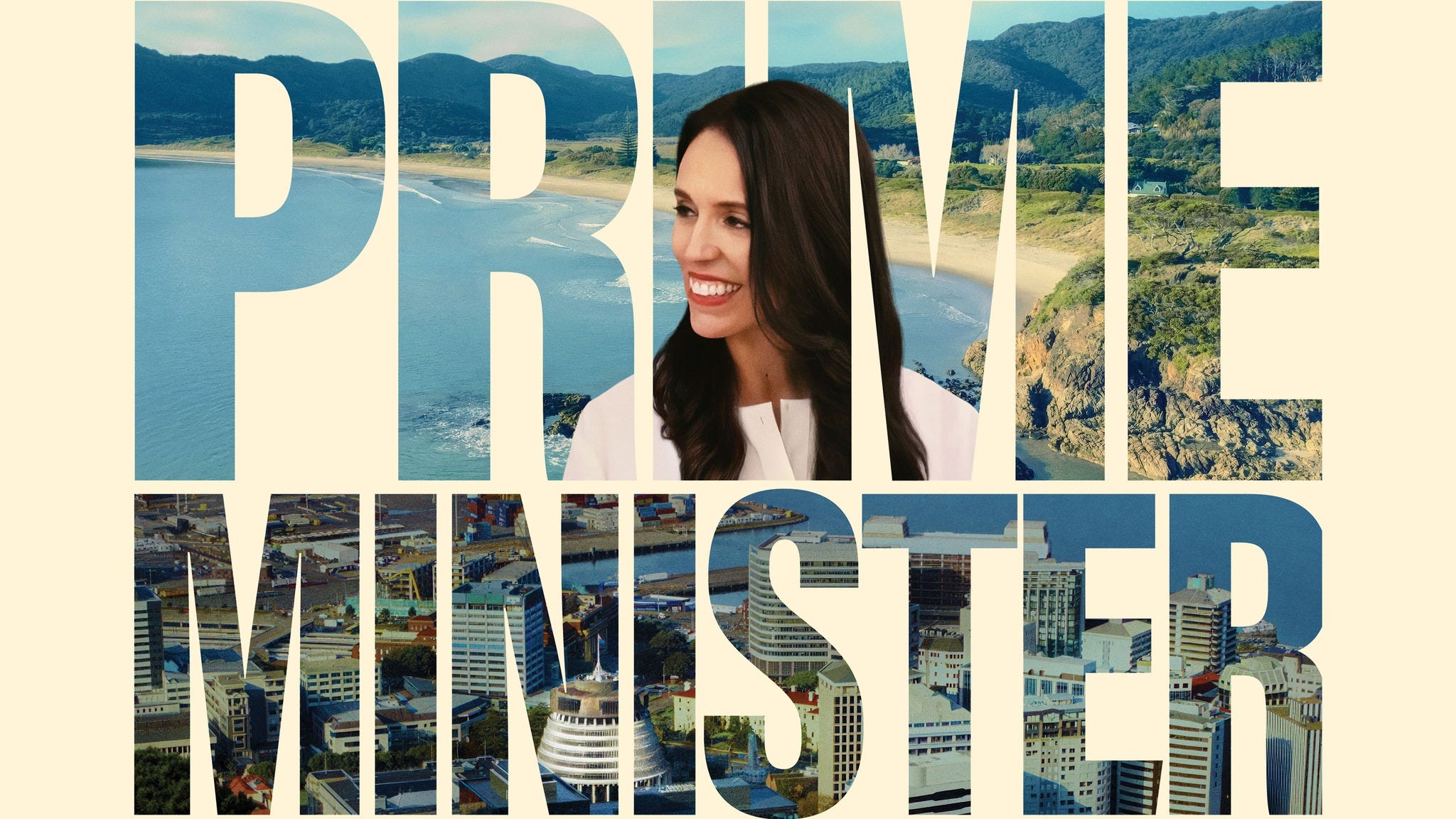
Prime Minister
A review of Jacinda's movie.

nau mai rā, ki te papa, papa tipu
nau mai rā, tēnei rā tō kāinga
nau mai rā, te karanga a te ngākau
te karanga a te ngākau
Te Reo: Te Haumihiata Mason.
“How many times do you think you’re going to cry?” my wife asked through gentle tears. It was a fair question; I wasn’t yet, but it was coming, and in the end, the answer was about half a dozen. A few in happiness, but mostly in despair.
How did we treat this remarkable young woman who gave everything to look after us so poorly? I can feel another tear on my cheek at that thought as I write this.
Looking for something to watch last night, thanks to those readers who made recommendations, I thought of the films I had wanted to see in 2025 but hadn’t. So I paid for Prime Minister on Apple TV, meaning we could watch it as many times as we liked for about the same price as a single movie ticket.
I hadn’t intended to write about Jacinda again for a while. Still, there really is very little happening politically, and watching the movie clarified some things for me. So today, a review of sorts.
I’m assuming most of you have seen the film, but if you haven’t and you’re planning to see it soon, you might want to skip this so you can form your own opinions.
It was good to watch it together with my wife and son, the period and events that were such a big part of all of our lives, now history.
Both Fi and I knew people who voted for Jacinda who had never usually voted Labour, and we also both knew those who had lost the plot along the way, unable to accept the controls put in place during Covid, who ended up full of anger and impossible to talk to rationally.
The movie begins in the present day, with Jacinda and her family, long removed from the maelstrom of leadership and living in a modest home in the Eastern United States. Domestic normalcy reigns. Jacinda looks younger without the burden.
We travel back to 2017 and the leadership issues Labour faced. Andrew Little was doing poorly in the polls and stepped aside in the interests of the party in the hope that his young deputy, Jacinda Ardern, in words she herself recalls, could “save the furniture.”
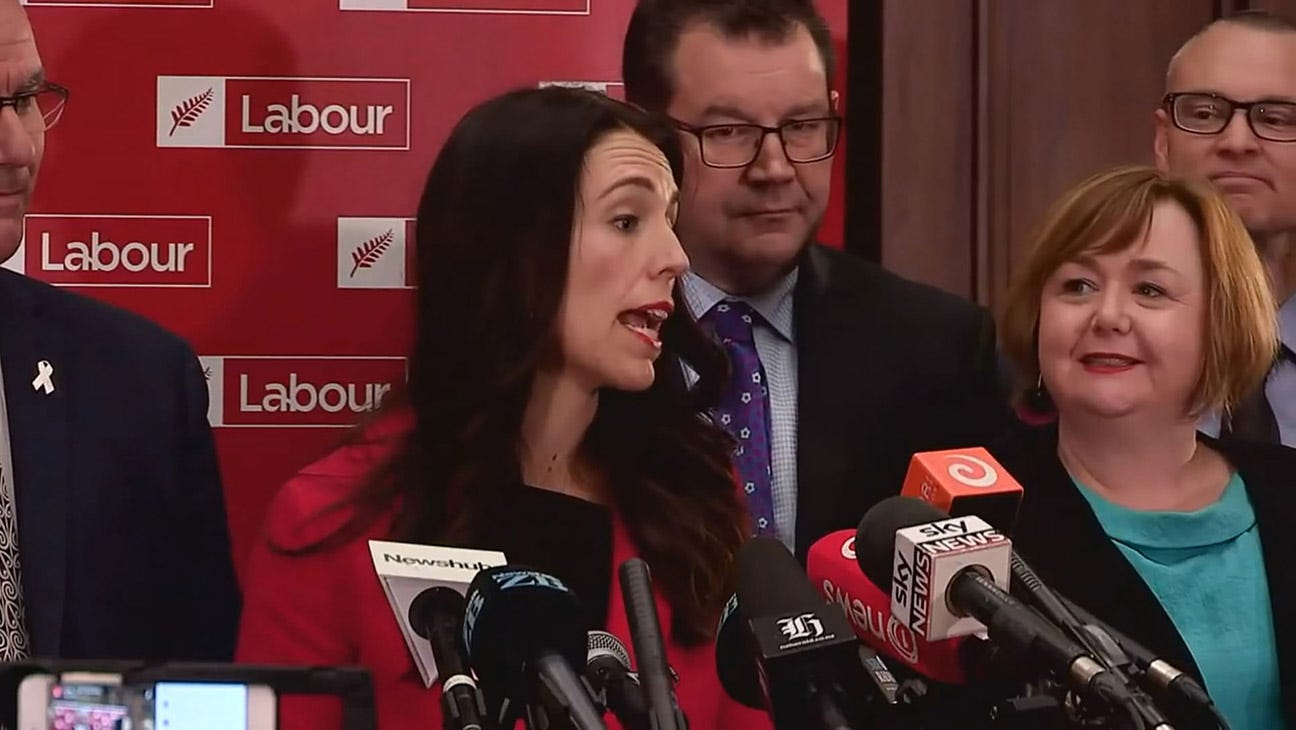
Jacinda ignored that script and the naysayers and, with a new team and a tsunami of positivity, ran an incredible campaign that took Labour from not losing too many seats to knocking on the doors of power, with gate-keeper Winston ultimately deciding who would govern.
We watched as Jacinda, Grant, and her inner sanctum learned which way Mr Peters had gone at the same time as it was announced to the rest of the country on the evening news. As they were elated afterwards, sharing the result with the broader team, you couldn’t help but think about the events ahead.
First of course was the small matter that the new PM had a baby on board, and it was interesting to hear how she countered criticism over whether she could do the job and be a mum with a confidence that invited the challenger to take their chances and be put in their place.
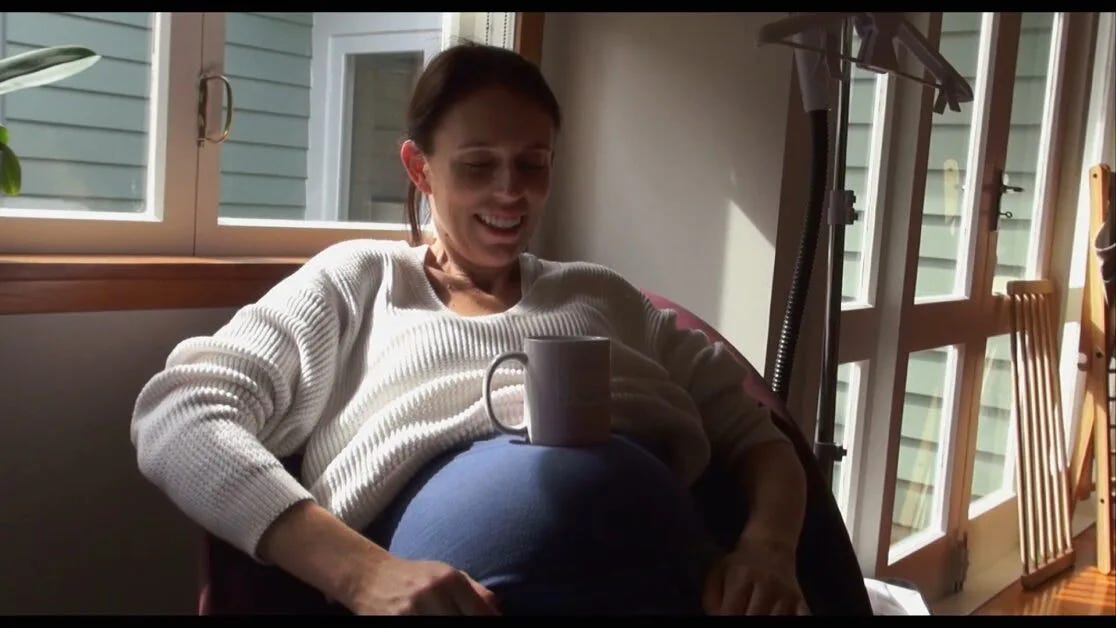
Privately, of course, she had her doubts, and one of the features of this film is the insight it offers behind the scenes into family moments as the young couple navigate the all-consuming nature of a new arrival with Jacinda’s massive new role.
It is impossible not to feel for her as a young mother within that initial sanctum that surrounds a new baby with the pressures of beyond. It also shows what an excellent partner she had with Clarke, who supported her and kept her laughing when there wasn’t much to laugh about.
Soon enough, we see Jacinda having to really step up following the Christchurch Mosque shootings of March 2019. The way she addresses families who want bodies returned for burial and comforts those who have lost loved ones while wearing a scarf sympathetically is raw and intense. You also forget that there was Winston beside her as he was through the first term, almost like a kindly uncle.
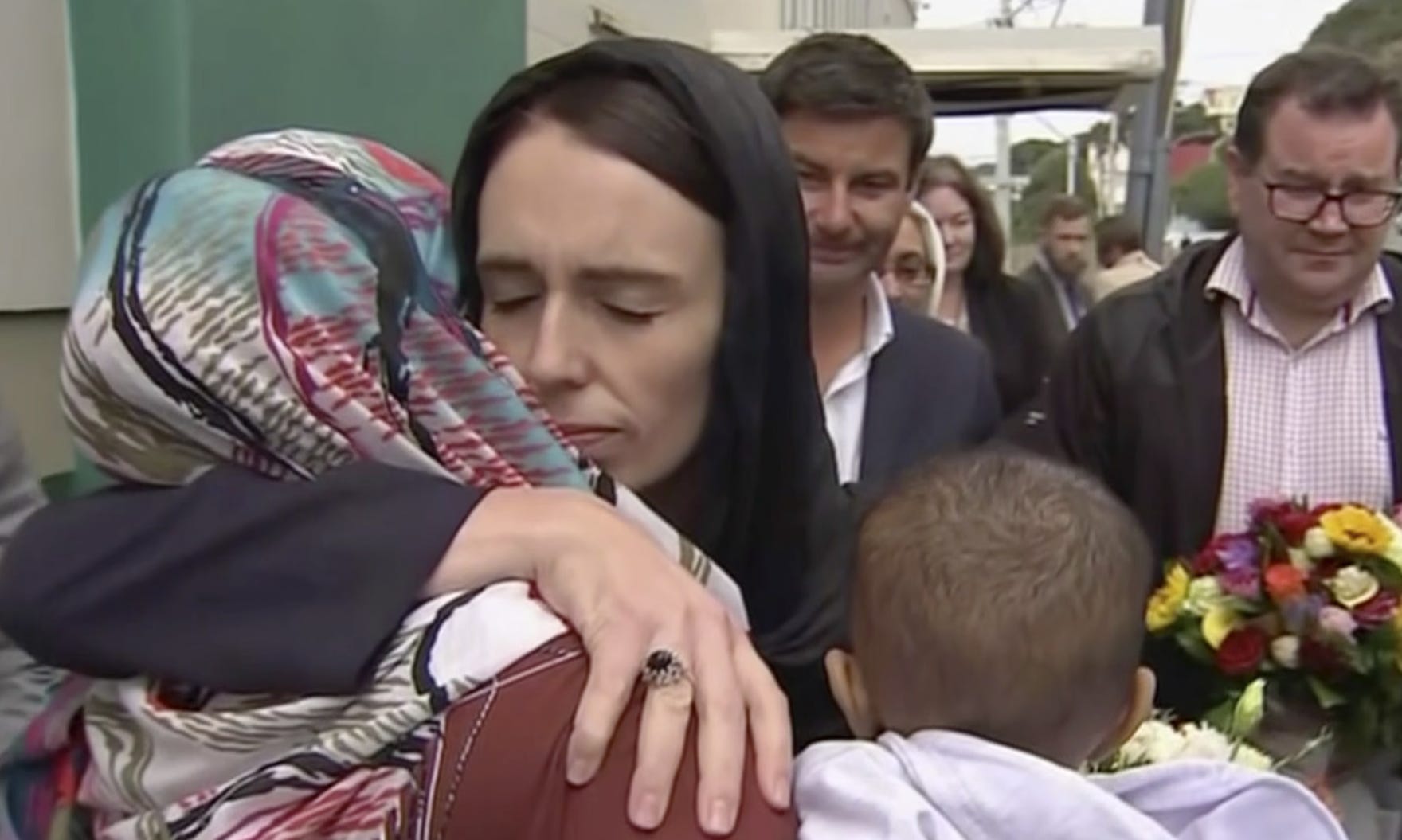
The grief you see from Jacinda and the anger she feels towards the murderer are visceral, and she seems so alone and not for the last time, like the weight of the world is on her shoulders alone.
As 2020 rolls around, Jacinda looks forward to the new year, post-White Island and the Mosque Shootings, for some normalcy. Present-day Jacinda listens to the audio and says she feels sorry for her former self, knowing what is to come.
We see the first year of Covid, the success in eliminating the virus and keeping deaths low, leading to a return to freedoms unknown elsewhere. The 2020 election is a landslide for Labour, following its successful uniting of the country. Still, Jacinda is well aware of how precarious things are and how vulnerable we are to another outbreak.
We see the anger build as things drag on, the Auckland lockdown, the other constraints, and Jacinda’s support starts to wane. It culminates in events like Brian Tamaki’s at the Domain and protests outside the Beehive.
It is painful to hear Jacinda talk about the mobile execution unit the protestors brought to parliament, the nooses, the names of ministers and family members, and to see how the noise from the protest prevented people in parliament from doing their jobs.
On the day that the police cleared the grounds, she watched through the window, horrified by what she saw outside. Then she walked among the damage done, clearly upset but determined that her efforts to handle the pandemic for the benefit of all citizens wouldn’t be derailed by a tiny minority of aggressors spreading misinformation.
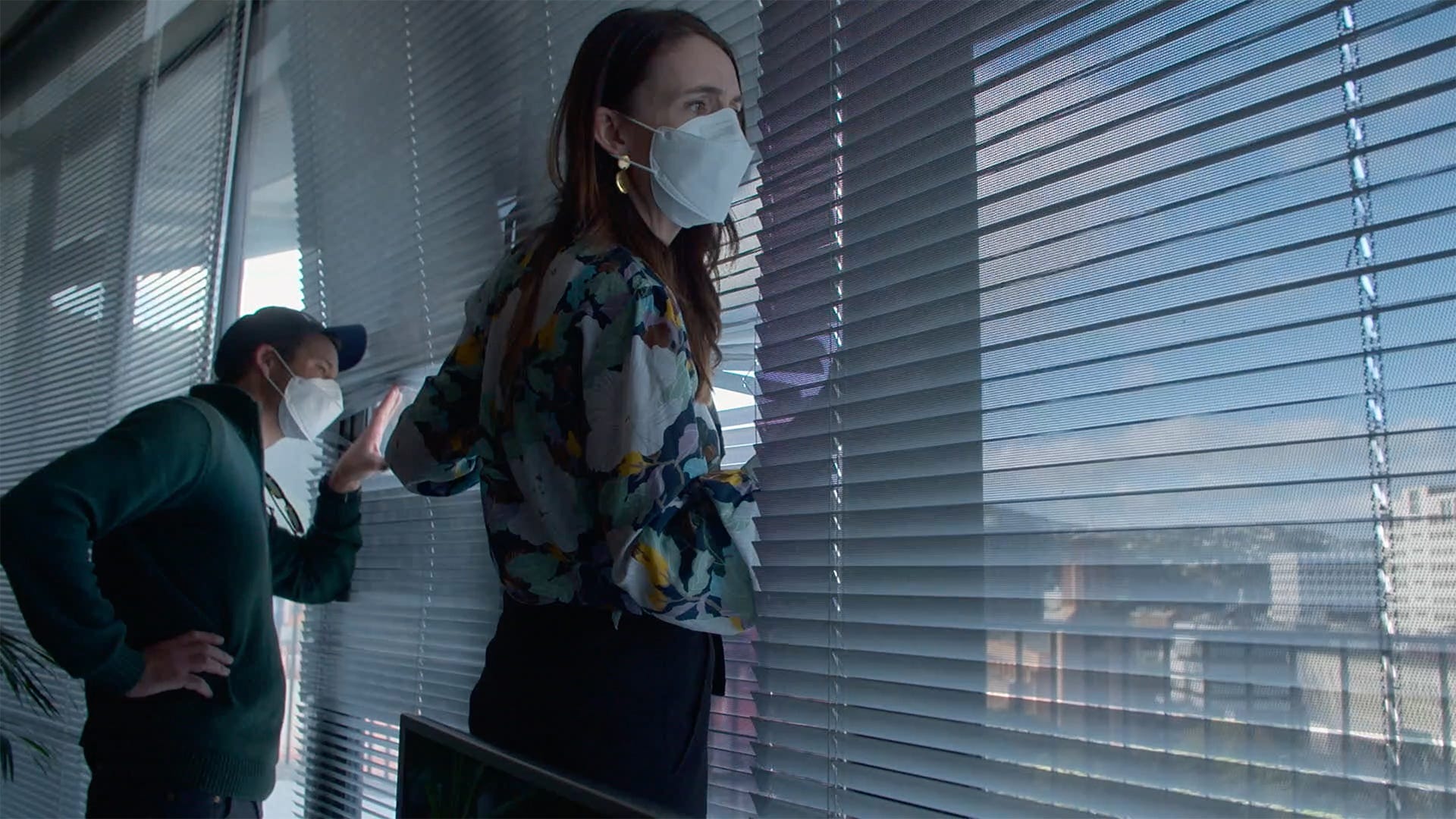
We see more and more instances of angry protestors turning up at events she is attending or even protesting outside Clarke’s parents’ house. There are reports of a nutter from the parliament protest making threats with a gun.
Jacinda looks exhausted and decides it is time for her to go, not because she wants to, but to hopefully calm things down if she is removed from the picture. She speaks of the many good works her government has done and doesn’t want to see undone because of her poor popularity.
Some will tell you that the Labour government didn’t achieve much because it had to deal with Covid and other crises, but the reality is that the Luxon government took a full term to undo much of its good work.
When Jacinda resigned in real life, I was shocked, but watching in the context of the film, it made more sense. She had been under such immense pressure and had held it better than anyone could reasonably be expected to do so, but in the end, the tank ran dry.
The sense of relief she felt upon resigning was clear, with the weight lifted from her shoulders. There is a lovely scene where she and Neve run around the lawn, reminding you that this woman was still young despite the pressures and deserving of some normalcy for herself and her young family.
The scene returns to the present day with their new life across the ocean as Jacinda speaks of home, and Crowded House’s "Don’t Dream It’s Over” plays.
This chapter is closed, and we can only wait and see what she will do next.
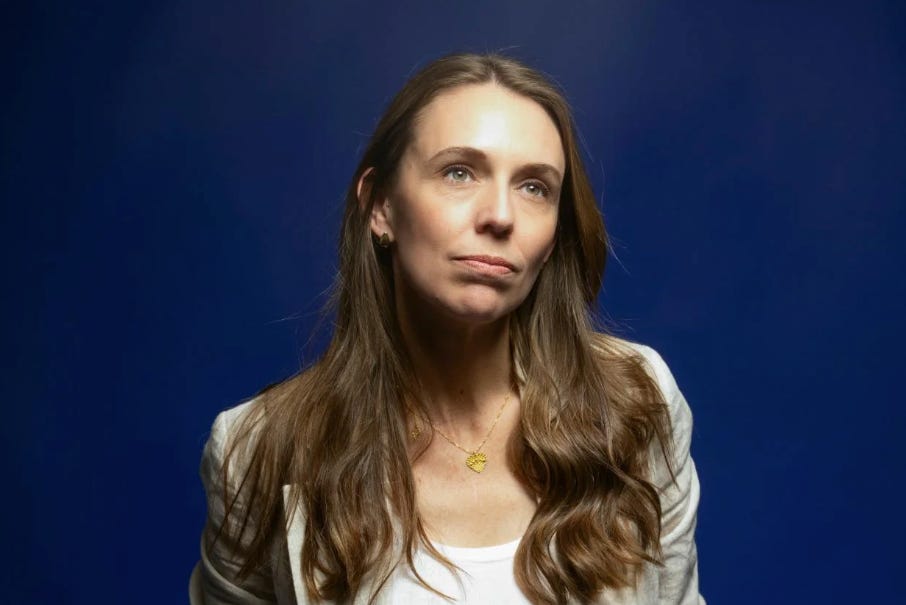
The Jacinda—haters would say I was as obsessed as they are. I don’t know about that, but what I do know is that a young woman was put into an impossible set of circumstances. She gave everything of herself and her family to do the right things to follow the science and to care for people, and what did we show in return? Childish frustration and unreasonable anger in response, which still today makes me feel utterly ashamed of my country.
This is a remarkable film that offers intimate insight into what she and we went through, and I would love to see it shown on prime-time free-to-air for all New Zealanders. I can’t imagine anyone watching without admiring the work she did and feeling deep shame at how she was treated in response.
She was an ordinary person thrust into an impossible set of situations, who did remarkably well. There will be few who watch this movie and feel anything other than gratitude for a job done as well as it could be.
Take care, all of you lovely people.
Ngā mihi,
Nick.
I hope in time Jacinda will feel welcomed by all, as there is nowhere else she belongs like here.
Great review Nick.
I will never understand the degree of arrogance and ignorance of the haters or the media magnification.
First time in 65 years I have been ashamed to be a New Zealander.
Im still astonished by the hatred some people still have for her. As if they have to project all their fear and ignorance onto one person. I'm glad that she and Clarke and Neve have found an "ordinary" life elsewhere. She will continue to do great things in this world. But the envious haters will be eaten up by their own malice.