


And my head is full of poison, and my heart is full of doubt
I got toxins in my bloodstream; you tried hard to suck 'em out
And it feels like medication, and it's good for me, I'm sure
But it don't matter how your love feels anymore
It will never be the cure
It'll never be the cure, oh
Songwriters: Olivia Rodrigo and Daniel Nigro.
This morning’s Q&A began with the current flu crisis, which is leaving classrooms empty and our hospitals beyond capacity.
It’s pretty awful, this strain; some have described it as being like COVID, which makes you wonder why the government has done nothing to try to prevent it. I’m not suggesting a lockdown, but clear directives telling people to stay home would surely be useful.
Jack said ambulance services had a record number of call-outs three times this week. Worse than Covid and worse than what he referred to as a sloppy New Year’s Eve.
It isn’t hard to join the dots. Health NZ are stymied from replacing staff by a government that wants to save money; the health system is constantly running at full capacity; and then you add this influenza that lays staff low and brings more and more patients through the door. The government has squeezed the life out of it, stretched the system to the breaking point, and still pops up cheerfully saying they’re making things better.
Primary health has failed, with people having to wait days or weeks for appointments which are too late for people who need help, and so we see long waits, patients in corridors, and health staff, I imagine, at their wits' end.
Jack showed a clip of Health Minister Simeon Brown in a recent interview when he said the government was pleased with how the targets are tracking. This was, of course, before the scandal broke that they had been sitting on a backlog of thousands of vacancies across the sector in desperately needed roles.
Jack spoke to camera, asking if there was a better way and what we expected from a health system. I thought about it.
For me, I would expect that someone who needs to see a doctor can do so within 48 hours, without having to resort to the emergency department. When you go to the hospital, I think an acceptable wait should be no more than two hours, and there should be enough room for patients. There should also be sufficient staff to cover for winter absences. I don’t think that is too much to ask, do you?
The guest was Rob Campbell, who you might remember lost his job at Health NZ due to a post criticising Christoper Luxon and the dog-whistle racism of the coalition, and that was before they were even elected.
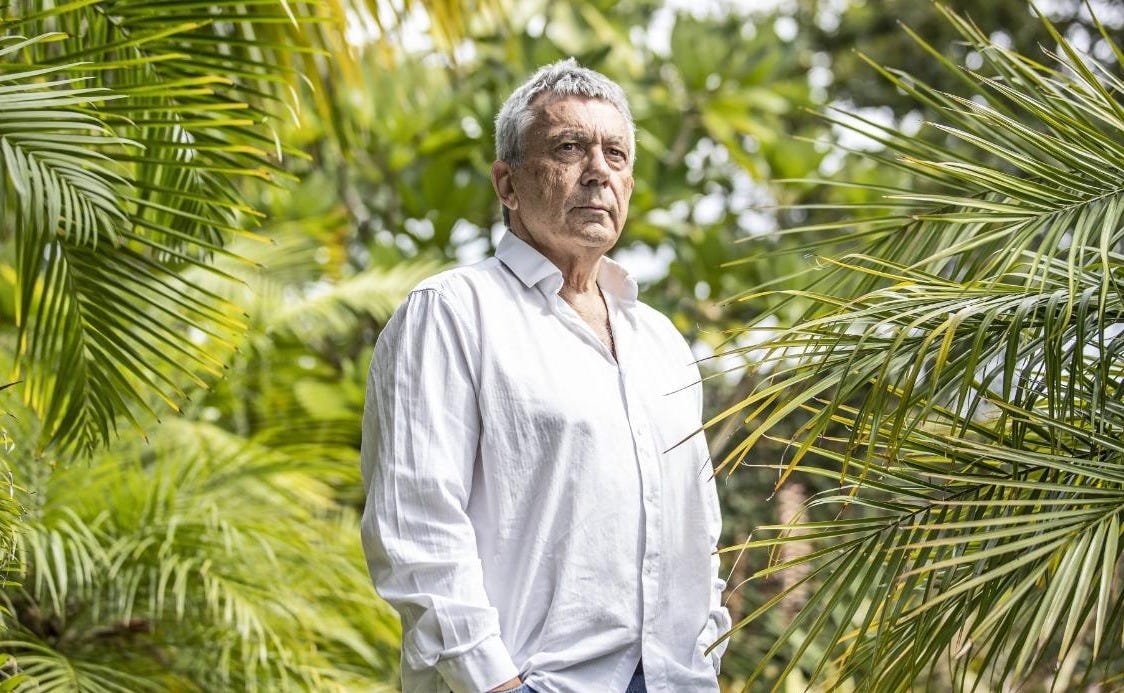
The former chair of Health NZ said the system was struggling and had already been under immense pressure. He said the sector has been highlighting the winter need and risk of a more hard-hitting flu strain for some time. He said we haven’t prepared for it, so patients and staff have borne the burden.
Jack said the government had funded $25m for the period to increase FTE employees and hospital beds, but Rob challenged him to actually find any such additional staff.
We also haven’t got the message out there about the importance of vaccinations, said Campbell, and even among those eligible for free jabs, take-up was low.
I suppose it’s hard for a coalition to put out sensible health messages when one of you, NZ First, has embraced those disgruntled by our Covid response as a constituency and thinks that preventative measures are woke.
Jack asked Campbell what a better approach would look like. He said you need to start earlier, which is fair enough; it's better to try to avoid a looming crisis than to take measures to address a crisis you’re already in. He also said the problem wasn’t new, but a symptom of a long-running issue.
Jack said staffing was at the forefront of this issue and repeated what he said when Simeon Brown was last interviewed: that only 54 nursing FTEs have been added across the country in two years, and if you’re wondering, NZ has 86 public hospital sites, so that’s not even one per hospital. Tame also said the PSA, which he added are actively campaigning against the government, has accused them of delaying recruitment for vacancies.
I found it curious that the PSA was singled out as campaigning against the government, not because they aren’t - of course, they oppose a government that has declared war on the public service but because they don’t do so with other groups.
We often hear about Business Associations, Bank CEOs, and even the TPU, and I’ve never heard TVNZ say those people are campaigning for the government, even though they blatantly are.
Campbell said funding was a problem, and despite increases, it is never more than enough to keep things going the way they were. If we want things to improve, he said we’ll have to pay. Not just enough to keep the lights on and the headlines at bay, but real money, as we might spend on a road.
Campbell said that the government, the Ministry and Health NZ had taken an adversarial approach to their staff. I felt awful imagining health care workers constantly having to go above and beyond only to see that the people above them who should be thanking them and doing whatever they can to support them are treating them as the problem.
He said those groups should have been working collaboratively with unions and the various professional representative groups. Again, that’s not too much to expect, is it? A bit of cooperation rather than finger-pointing?
Campbell summarised the problem by saying we don’t have enough people, they aren’t paid enough, and they aren’t necessarily in the right place. It was clear, concise, and true - and I could see why he lost his job.
He also pointed out the infrastructure problems and the government’s preference to speak about new things rather than improving what we have. He’s not wrong; on some of the floors in Auckland Hospital, it feels like you’ve gone back in time 50 years to the last time they had any money spent on them.
Campbell said it would cost between five and six billion dollars per year to get back to safe staffing levels. I don’t doubt it, and in my view we should set our tax rates accordingly.
When Jack suggested that finding that much money each year would be a challenge, Campbell said we can instead choose poorer health outcomes and noted that those are not spread equally, or we can do something about it, and that will require more tax.
Those are the alternatives: continue what we have or pay more tax and get the health system we want and need. It’s not a small amount of money, and it’s definitely not something that could be funded by a CGT in the next few years, when it will bring in virtually nothing unless we return to large year-on-year increases in housing prices.
Campbell said the Ministry, politicians, and Health NZ were all avoiding the problem. He proposed an all-of-health solution that would encompass housing, education, and income levels, which must be addressed.
Then he said you look at nutrition, alcohol, and smoking, all of which this government has a poor track record on, from Seymour’s slop in schools to removing obstacles for liquor outlets, and we all know their track record on smoking and vaping.
He said you need health facilities where people are in the community, and that is an area I would give this government some credit for. Pushing cancer treatments out into the regions has been a positive step, so people don’t have to travel long distances for regular treatments, unlike Paul Henry’s latest brain fart of centralising expertise in just Auckland and Christchurch.

Maybe Henry, who reckons a bunch of philanthropists will stump up ten billion for his Ronald McDonald Cancer Centre, could instead stump up to keep the health system running. Or better yet, tax them and use the money in the best way to help.
I was impressed by Rob’s thinking about how we can improve health before people end up at a hospital. Again, I recall the Covid response that kept hospitals from being overwhelmed by taking preventative measures.
We need to get back to the goals of a Smokefree Aotearoa, to regulate the alcohol industry that causes so much harm, to fund more early screening, have better vaccination campaigns and make sure everyone has a warm, dry home and stays there when they’re sick, and we’ll have a lot fewer people arriving in our hospitals.
Rob suggested we need well-staffed clinics that can serve a community; there is certainly something to be said for treating people this way rather than through our current GPs, who give you 15 minutes and, in many cases, simply gatekeep medication or referrals to more specialised experts. We need what White Cross offers but without the exorbitant prices.
Jack asked about Simeon Brown outsourcing services to private providers. Campbell said that might alleviate the problem in the short term, but it would further weaken our public system and mean we weren't developing capabilities within it. This will make us increasingly reliant on the private sector.
It’s madness in my view. Yes, public health costs a lot, but it’s going to cost a damn sight more if we’re also funding private sector profits.
Jack asked Rob whether he thought any of our political parties had the appetite to address the problem. He smiled and suggested people vote for a party that advocates strengthening rather than weakening our public health system.
That means Labour, the Greens, and Te Pāti Māori, who want to invest more in our public health and resist moves to privatise.
While we’re on the topic of funding, subscriptions continue to decline, so I’d really appreciate your support if you can afford to subscribe to this kōrero. I’m reluctant to put a paywall in front of my writing, but if people keep reading the newsletter without a few more contributing, I’ll need to do that starting next week.
If you have a Gold Card, are a student, or are unwaged, there is a 15% discount.
Have a great Sunday, all you lovely people.
Ngā mihi,
Nick.
To end today, here is Olivia Rodrigo with The Cure.
The coalition government is deliberately moving to privatising health (weakening the public system by not investing in it while happily paying very high prices to private hospitals for surgeries etc) and education (very generous charter school funding without the compulsory requirements state schools must meet…😳…), and weakening social services, without regard to the increasing poverty in New Zealand.
Meanwhile, we have the comical sight of National’s Simeon Brown and Nicola Willis screeching about tax regardless of the question put to them!
Very easy to see why Rob Campbell was removed for the hatchet man and chief gaslighter Lester Levy.
A whole system approach is required, good housing,adequate wages and benefits, restoration of pay equity claims, investment in health staffing to name a few things.
In the meantime this disgrace we call government are spending $800m upgrading Christchurch prison.
In the meantime Simeon Brown-nose is openly politicizing the Nursing and Medical Councils with political appointments.
Alongside telling health professionals like me to be Apolitical during the election campaign.
Fuck him I say. They have to go in November.